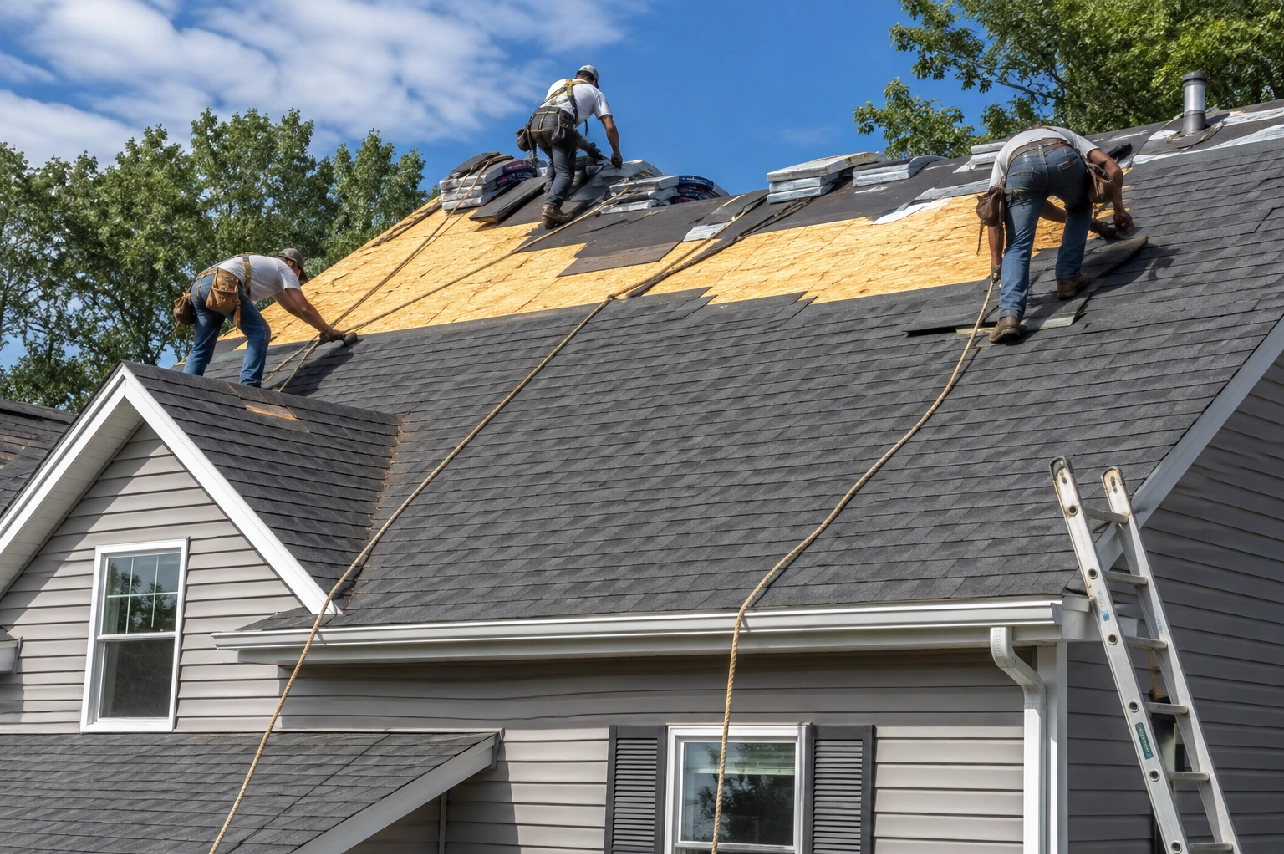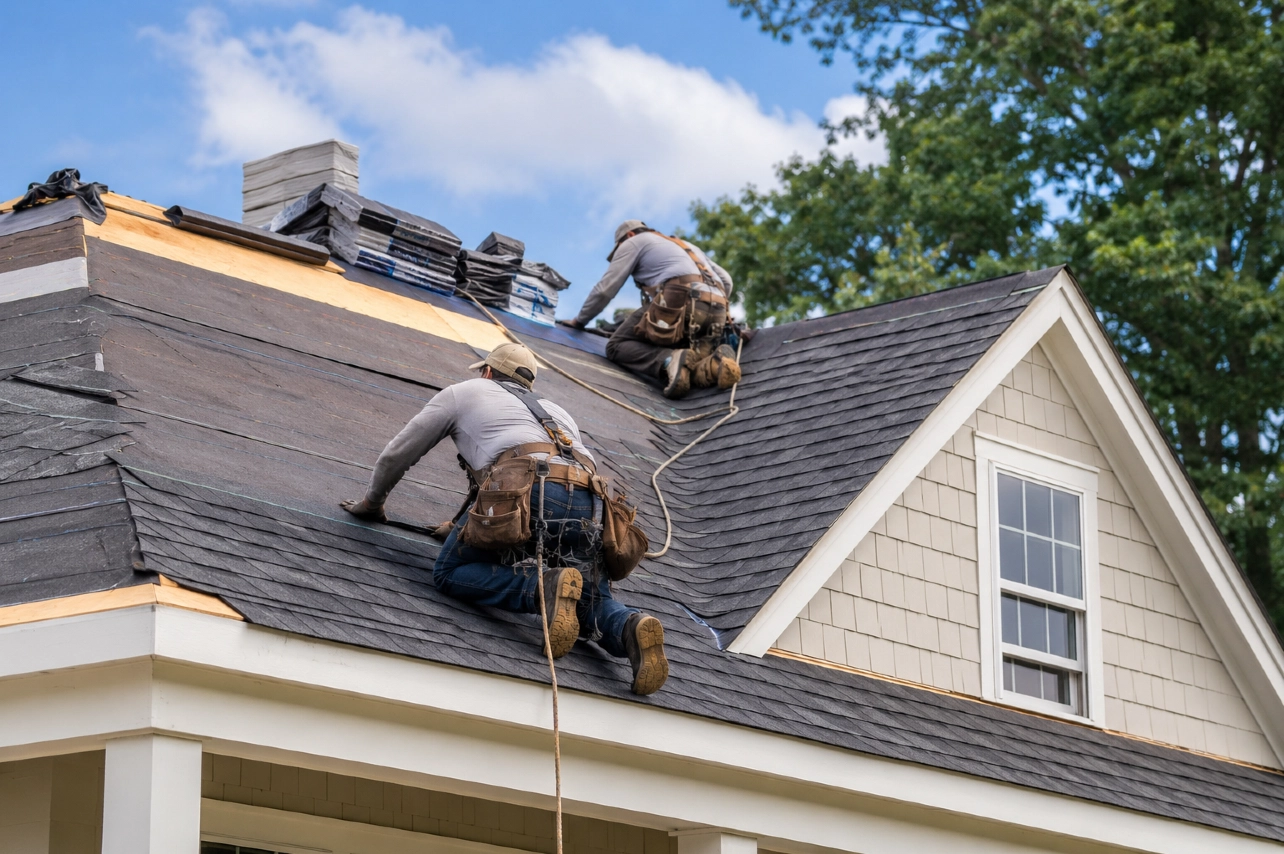
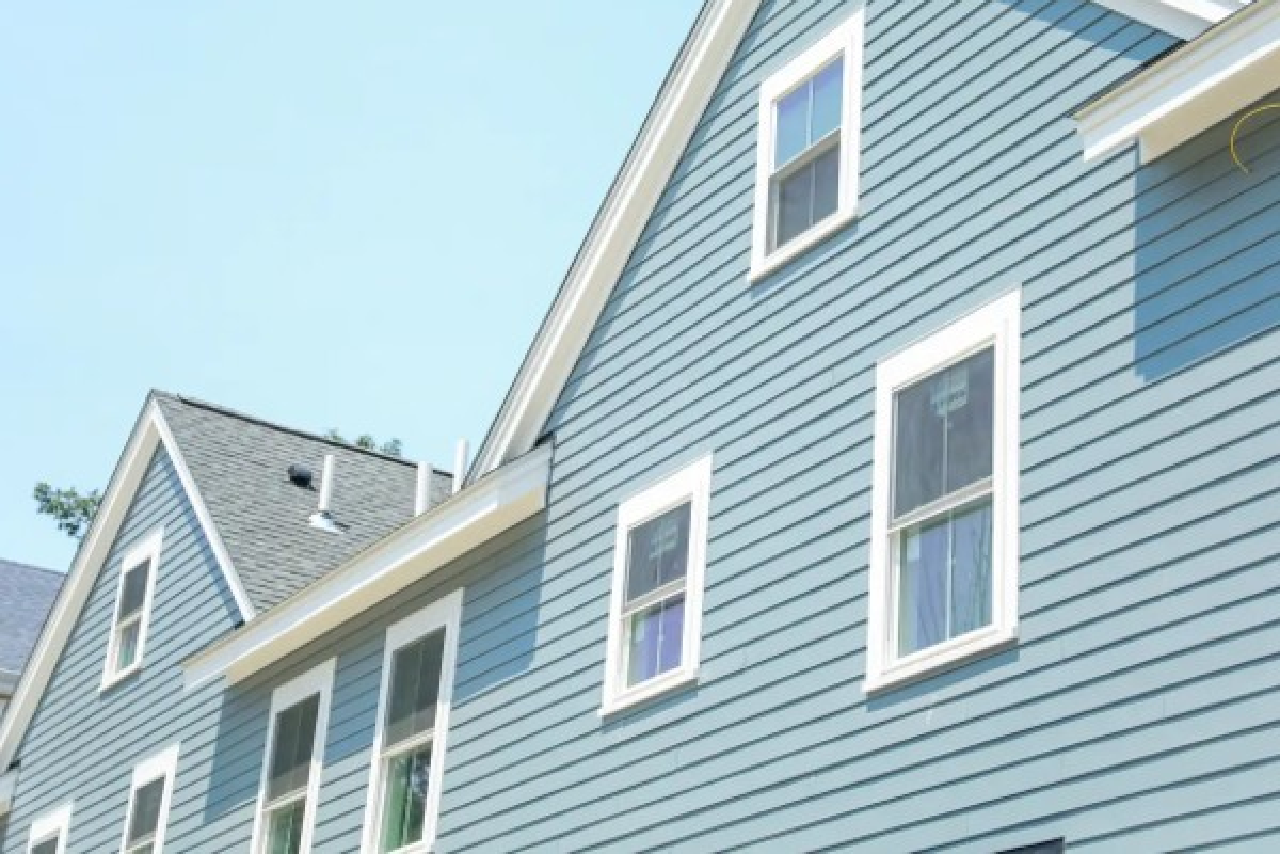
Your siding does more than make your house look good. It’s your home’s first line of defense against wind, rain, snow, and everything New England weather throws at it. But siding doesn’t fail all at once – it wears down slowly, and many homeowners don’t notice the warning signs until there’s already damage underneath.
If you live in Massachusetts or Rhode Island, your siding deals with a tough mix of humid summers, freezing winters, and coastal storms. That combination speeds up wear in ways homeowners in milder climates don’t have to think about. Here’s what to look for, and when it’s time to call a professional.
1. Cracked, Warped, or Bubbling Siding
Cracks and warping are usually the first visible signs of trouble. Vinyl siding can crack from repeated freeze-thaw cycles, while wood siding tends to warp when moisture gets trapped behind it. Bubbling is a red flag too – it usually means water has found its way underneath the surface.
Even small cracks matter. Once water gets behind siding, it can damage the sheathing and insulation before you ever see a stain on the wall.
2. Peeling Paint or Wallpaper Indoors
This one surprises a lot of homeowners. If paint or wallpaper is peeling on interior walls – especially exterior-facing walls – it can be a sign that moisture is getting in through damaged siding, not just an inside humidity problem. This is one of the clearer indoor clues that your siding may no longer be doing its job.
3. Rising Energy Bills
Siding isn’t just cosmetic – it’s part of your home’s insulation system. If your heating and cooling costs have crept up without an obvious explanation, damaged or aging siding could be letting outside air in. This is especially common with older siding that’s lost its seal at the seams.
4. Mold, Mildew, or Fungus Growth
A little dirt on the siding is normal. Mold, mildew, or fungus growing on the surface is not – it usually means moisture is sitting against your siding longer than it should, which can point to poor drainage, damaged panels, or gaps that need to be resealed or replaced.
5. Rot or Soft Spots
If you press on your siding and it feels soft, spongy, or crumbles, that’s a sign of rot underneath. This is common with wood siding but can also happen when moisture gets trapped behind vinyl or fiber cement. Rot doesn’t stay contained – left alone, it spreads to the structural wood behind the siding.
6. Frequent Repairs
If you’re calling a contractor for the same siding issue every year or two, that’s usually a sign the material has reached the end of its useful life. At a certain point, ongoing patch repairs cost more over time than a full replacement.
7. Faded, Outdated Look
This one is less urgent, but still worth mentioning: siding that’s faded, chalky, or visibly outdated can affect your home’s curb appeal and resale value, even if it’s technically still functional.
Why This Matters More in Massachusetts & Rhode Island
New England’s freeze-thaw cycles are hard on siding. Water that gets into small cracks in the fall can freeze and expand in the winter, turning a minor issue into a much bigger one by spring. Coastal areas in Rhode Island also deal with salt air and wind-driven rain, which accelerates wear on siding that isn’t rated for that kind of exposure.
That’s why an annual siding check – ideally in early fall, before winter weather sets in – is one of the easiest ways to catch small problems before they become expensive ones.
What to Do If You Notice These Signs
If you’re seeing one or more of these warning signs, the next step is a professional inspection. A contractor can tell you whether you’re looking at a simple repair or a sign that full replacement makes more sense.
At Top Quality Restoration, we’ve been serving homeowners across Massachusetts and Rhode Island for 25 years. Every siding installation is backed by our 10-year warranty, and our team is available 24/7 for emergency repairs after storms.