Choosing the right siding for your home is one of the most important decisions you can make as a homeowner. It affects not only your home’s curb appeal but also its durability, energy efficiency, and long-term maintenance costs. With several siding materials available today, understanding the pros and cons of each option can help you make a confident and cost-effective choice.
Understand Your Climate and Weather Conditions
Your local climate plays a major role in determining the best siding material. If you live in an area with harsh winters, heavy rain, or strong winds, you’ll need a material that can withstand moisture and temperature changes without cracking or warping.
For example:
- Cold climates require siding that resists freezing and thawing cycles
- Humid areas need moisture-resistant materials to prevent mold and rot
- Coastal regions benefit from salt-resistant and wind-resistant siding options
Matching your siding to your environment ensures long-term performance and fewer repairs.
Explore the Most Popular Siding Materials
Each siding material comes with its own benefits, appearance, and maintenance requirements. Here are the most commonly used options:
Vinyl Siding
Vinyl siding is one of the most popular choices due to its affordability and low maintenance. It doesn’t require painting and comes in a wide range of colors and textures.
Best for: Budget-friendly projects and low-maintenance homeowners
Pros: Cost-effective, easy to install, weather-resistant
Cons: Can crack in extreme cold and may fade over time
Fiber Cement Siding
Fiber cement is known for its durability and versatility. It can mimic the look of wood, stone, or brick while offering superior resistance to fire, insects, and weather damage.
Best for: Long-term durability and premium curb appeal
Pros: Extremely durable, low maintenance, fire-resistant
Cons: Heavier and more expensive to install
Wood Siding
Wood siding offers a timeless, natural look that many homeowners love. It can be painted or stained in any color for a custom appearance.
Best for: Traditional and aesthetic-focused homes
Pros: Beautiful appearance, customizable finish
Cons: Requires regular maintenance and is vulnerable to pests and moisture
Engineered Wood Siding
Engineered wood provides the look of real wood with improved durability. It is treated to resist moisture, insects, and decay.
Best for: Homeowners wanting wood aesthetics with less maintenance
Pros: Affordable alternative to natural wood, durable
Cons: Not as long-lasting as fiber cement
Metal Siding (Aluminum or Steel)
Metal siding is highly durable and resistant to fire and pests. It is commonly used in modern or industrial-style homes.
Best for: Strong protection and modern design
Pros: Long lifespan, recyclable, low maintenance
Cons: Can dent and may have limited style options
Consider Maintenance Requirements
Before choosing a siding material, think about how much time and effort you are willing to spend on maintenance.
- Low maintenance options: Vinyl, fiber cement, metal
- Moderate maintenance: Engineered wood
- High maintenance: Natural wood (requires painting, sealing, and repairs)
A low-maintenance option may cost more upfront but save money and effort over time.
Factor in Energy Efficiency
Siding can also impact your home’s energy efficiency. Insulated siding materials help regulate indoor temperatures, reducing heating and cooling costs.
Look for:
- Insulated vinyl siding
- Fiber cement with added insulation layers
- Proper installation with weather barriers
Energy-efficient siding improves comfort while lowering utility bills.
Match Your Home’s Style and Design
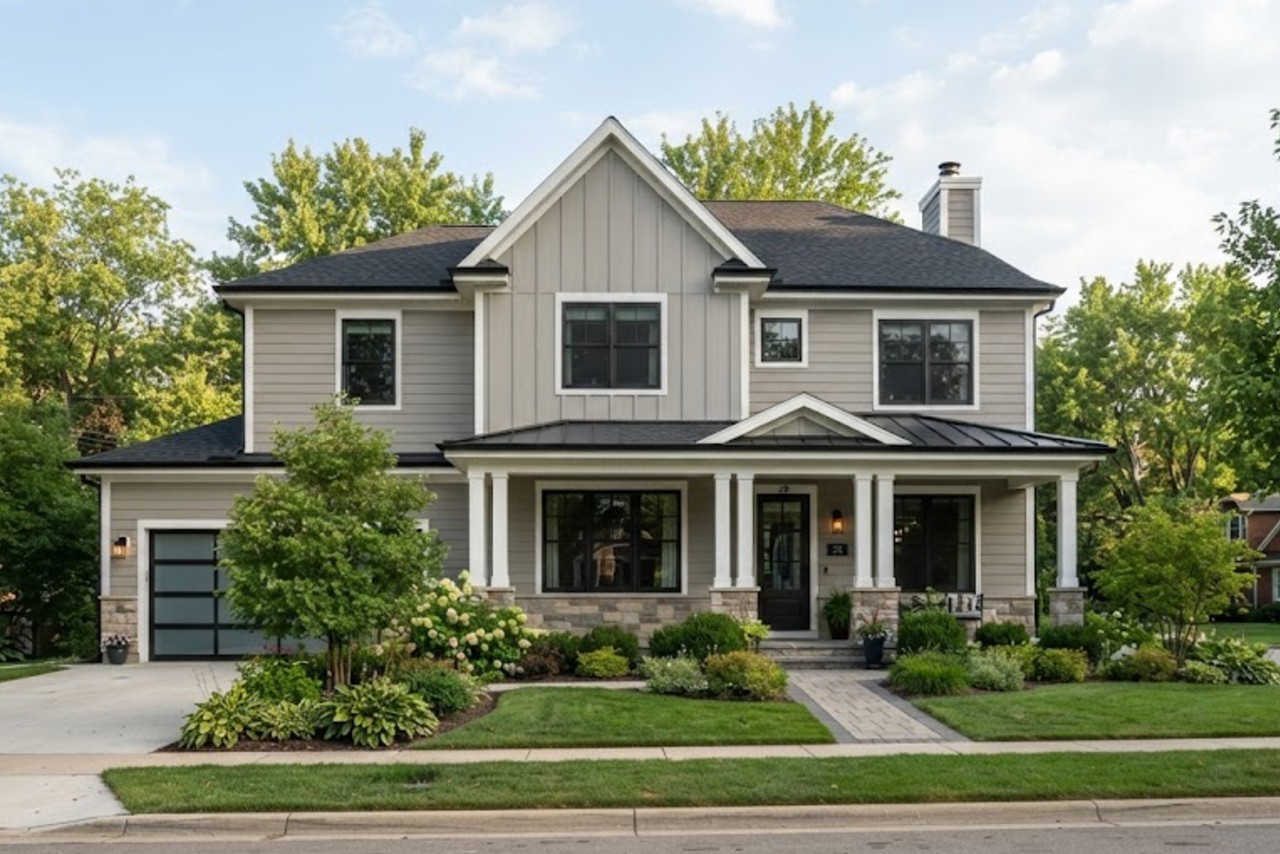
Your siding should complement your home’s architecture. For example:
- Traditional homes often pair well with wood or fiber cement
- Modern homes may look best with metal or smooth panel siding
- Suburban homes commonly use vinyl for a clean, versatile appearance
Choosing the right style enhances curb appeal and property value.
Budget and Long-Term Value
While upfront cost is important, long-term value matters even more. Cheaper siding may require frequent repairs or replacement, while premium materials can last decades with minimal upkeep.
Consider:
- Installation cost
- Maintenance expenses
- Lifespan of the material
- Potential increase in home value
Investing wisely in siding can pay off over time.
Final Thoughts
Choosing the best siding material for your home comes down to balancing durability, maintenance, style, climate suitability, and budget. There is no one-size-fits-all solution, but understanding your options helps you make a confident decision that protects your home and enhances its appearance for years to come.